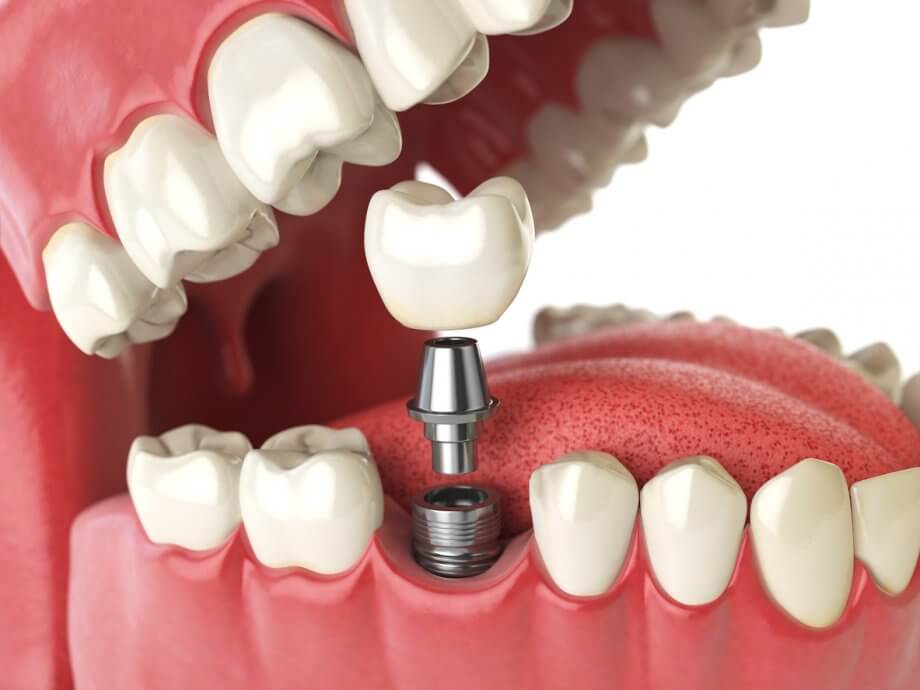
Dental mini-implants are a relatively new and innovative procedure that, when it works, can restore missing teeth. The procedure works like this: an implant rod is surgically placed into the jawbone where a tooth is missing. Mini-implants work best with teeth restoring from tooth surgery or other trauma, as their small size allows them to be implanted directly into the bone.

If you’re looking for implants, you need to find a dentist who is a “bone graft expert”. In other words, he or she must be trained in extracting and inserting dental implants. It’s best to choose a dentist who has been performing this type of surgery for many years, especially if you have dental insurance. Also, make sure your dentist is board certified and holds a significant degree in cosmetic or orthodontics. Board certification means the dentist has completed the required educational requirements and successfully passed the American Dental Association’s rigorous oral surgery examination.
The implant itself will be surgically placed into the jawbone after a surgical procedure. The actual surgery may take less than half an hour. Once it’s completed, the dentist will place a custom-made crown over the implant. This process is painless for most patients but some people may experience mild swelling and bruising. This is normal and will subside over time.
There are two kinds of dental mini-implants. Subperiosteal and endosperm are the traditional varieties. They are both structurally sound and require minimal revision work after placement. However, dentists today are using newer dental mini-implants such as pocket models that look almost identical to natural teeth and are removable for easy cleaning.
Mini-implants are an attractive alternative to tooth-fixed appliances such as bridgework, dentures, crowns and bridges. These devices are made from a flexible silicone material that looks and feels like a real tooth. Dental mini-implants are typically used to treat central facial pain and have an open-closure design that allows easier access to the tooth than closing appliances. They can be easily cleaned with a fluoride mouth rinse or other preferred oral hygiene product.
If you’re interested in dental mini-implants, talk to your dentist about your options. In many cases, they are an economically viable solution to treating missing teeth. Talk to your dentist today. He or she will be able to assess your mouth and help determine which type of dental mini-implants are right for you.

 Canberra Dentist Chronicles