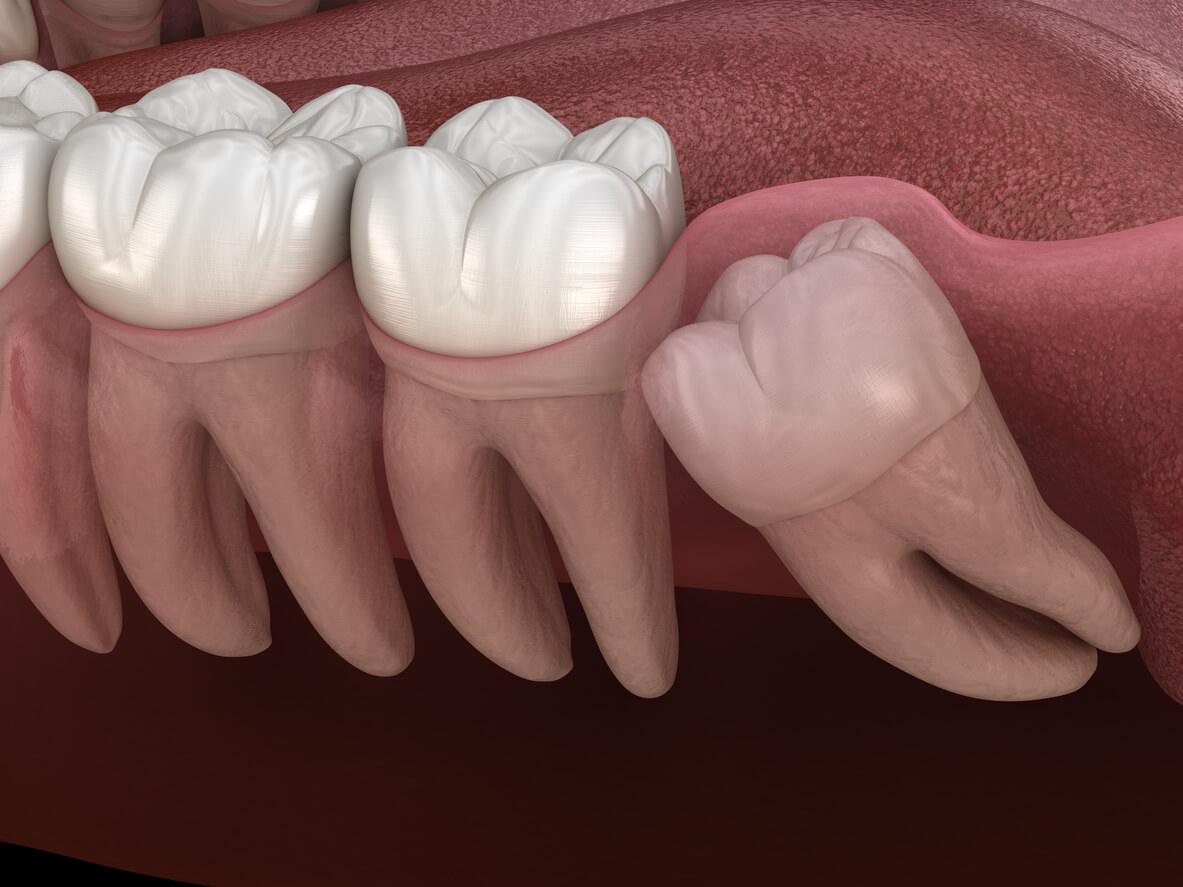
Is wisdom teeth removal normal? Wisdom teeth are more likely to become impacted wisdom teeth if they are not removed early enough. Not all wisdom teeth should be removed. Sometimes a wisdom tooth will erupt without creating any pain or other complications. If a wisdom tooth erupts without creating any discomfort for the patient, then the wisdom teeth can always be retained in the oral cavity by keeping the patient as comfortable as possible, without invasive measures such as wisdom teeth removal.
There are many reasons why wisdom teeth can become impacted in other ways. During the first few weeks of pregnancy, the gums get very swollen. During this time the wisdom teeth emerge, but the swelling can keep the teeth from coming out completely. The swelling can also cause gum tissue to contract too much. After the baby is born, the swelling may go away and the wisdom teeth come out gradually.
Sometimes wisdom teeth do not come out on their own. Sometimes the eruption of the wisdom teeth can occur without the patient realizing it. In some dental cases, a dentist may need to perform an oral irrigation. This procedure is done by cleaning the inside of the mouth of impacted wisdom teeth to help dislodge them from the gum line.
However, sometimes the wisdom teeth grow so large that a simple oral irrigation is no longer sufficient. In these cases, a dentist may choose to perform wisdom teeth removal surgery. During this surgery, the oral surgeon will make a small incision inside the gum line and remove the impacted tooth. A thin tube called a pin is inserted into the incisions for the surgeon to remove the wisdom teeth easily. Anesthetic may be used if it is performed by an oral surgeon.
When there are complications with wisdom teeth extraction, there is a chance of infection in both the gum and the underlying bones and tissues. It is possible for other teeth to become impacted at the same time. If more than one wisdom tooth is extracted, the other teeth can become affected, too. Wisdom tooth surgery complications include swelling, jaw pain, damage to nearby teeth, temporary facial paralysis, tooth loss, jaw deformities, soft tissue damage, and tooth loss.
Some problems, however, are rare. A rare complication of wisdom teeth removal surgery is the presence of bone loss. In some cases, wisdom teeth may not erupt because of an inadequate response by the jaw. If the jaw cannot erupt fully, the tooth does not come out. It also could erupt partially or not at all. When the jaw does erupt, the bone around the erupted tooth could shift, causing the jaw to become unstable.
Recovery from wisdom teeth removal surgery usually takes three to six months. Patients can expect to wear a mouth guard during the first few weeks to help keep the jaw elevated. The mouth guard will be removed after about six months and replaced every two to three months after that. Medication is not necessary for mild to moderate bleeding or complications. Rest is required to keep the jawbone stimulated.
Surgical wounds heal quickly but can be irritated and tender. If wisdom teeth stitches are not well-sealed, blood can seep through and reach the gum. This is a potential infection and should be discussed with your dental surgeon during your follow-up visit. After wisdom teeth removal, your gum may appear swollen and your dentist will likely prescribe antibiotic tablets. These tablets will help prevent infection. They will also make it easier to clean the wound, but they will not prevent more bleeding.

 Canberra Dentist Chronicles